
What is Orienteering?
A “Thinking Sport” that fuses map reading, decision-making, and movement. Athletes race against time, using a map and compass to locate control points while navigating and strategising their route in an unfamiliar terrain.
Where Education Meets Adventure
Backed by research studies published in
Cambridge Journal of Education (JoVE)
Perceptual & Motor Skills Journal – King’s College London
Archives of Gerontology & Geriatrics – Elsevier Ireland
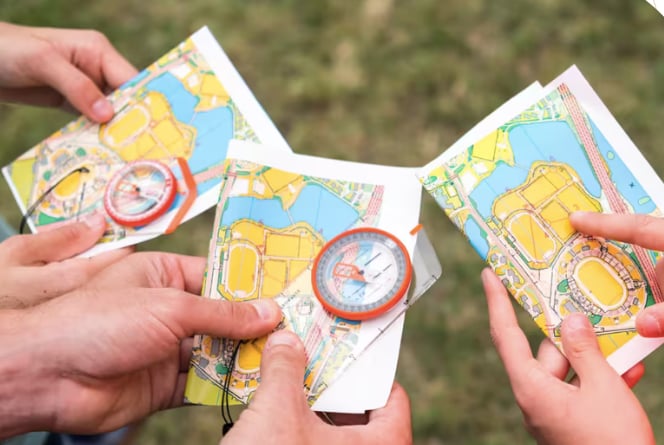
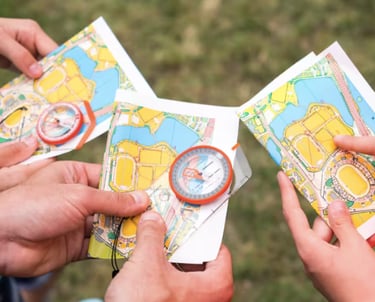
Unlike other sports, orienteering isn’t just about speed—it’s about strategy, observation, and decision-making. Every course is a puzzle, and you’re the solver! That's where it gets it's name from: THE THINKING SPORT
A Global Sport - cultivating smarter generations, celebrated in The World Games






Recognized by the International University Sports Federation (FISU)
Recognized by the International Olympic Committee (IOC)
A 100-year-old Sport originated in Sweden, now having presence Globally.


Foot - O
The classic form—run, jog, or walk as you navigate.
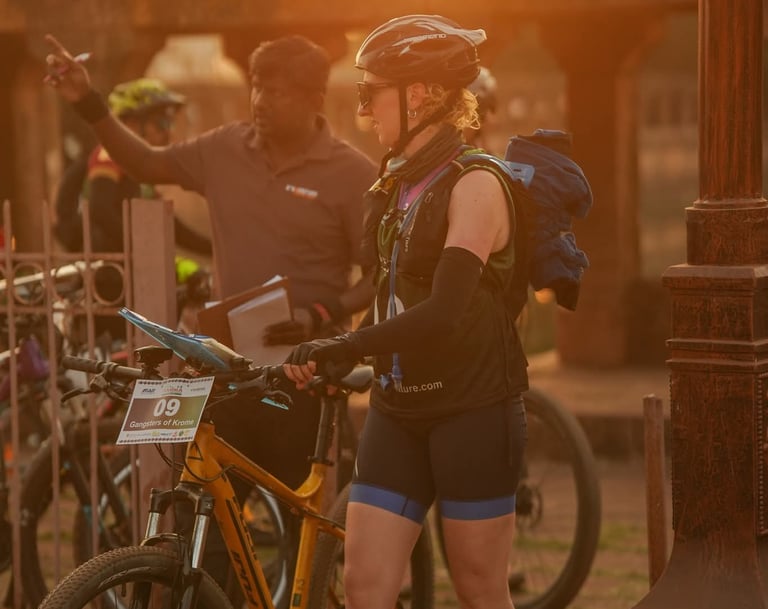

MTB - O
Tackle trails and tracks on two wheels while Orienteering.
Types Of Orienteering
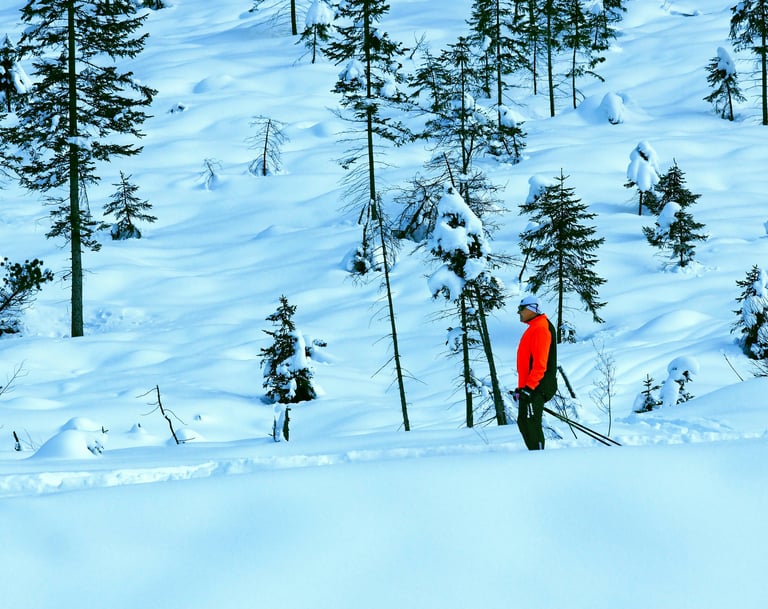
Ski - O
An endurance winter sport combining navigation and cross-country skiing.
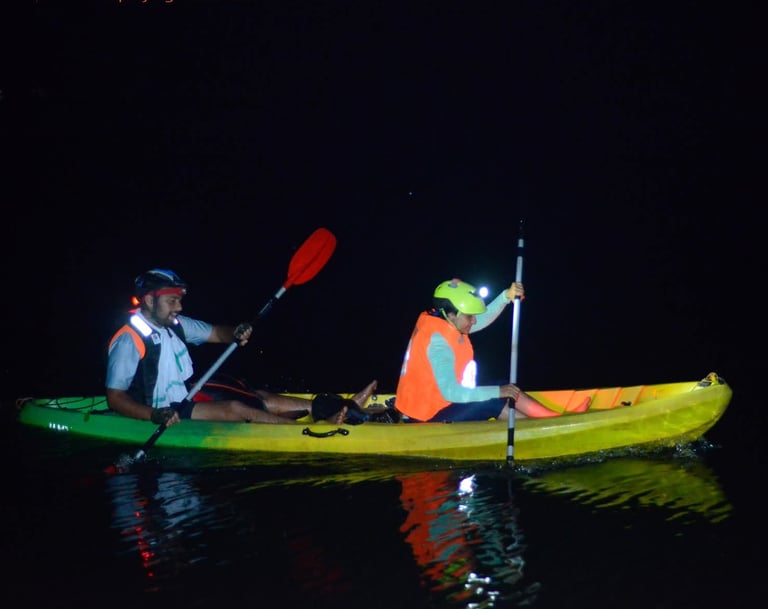
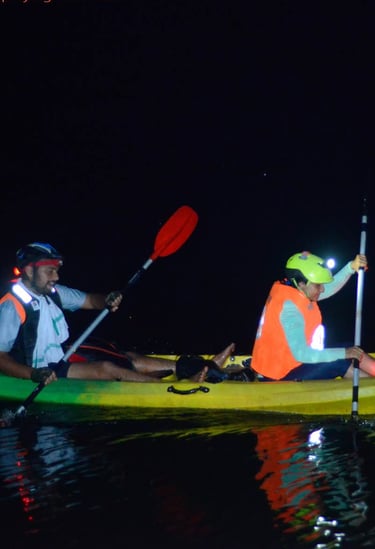
Kayak - O
Paddle your way to each checkpoint on rivers or lakes.